Loyola receives grant to provide forensic science training to animal control agencies and shelters in Maryland
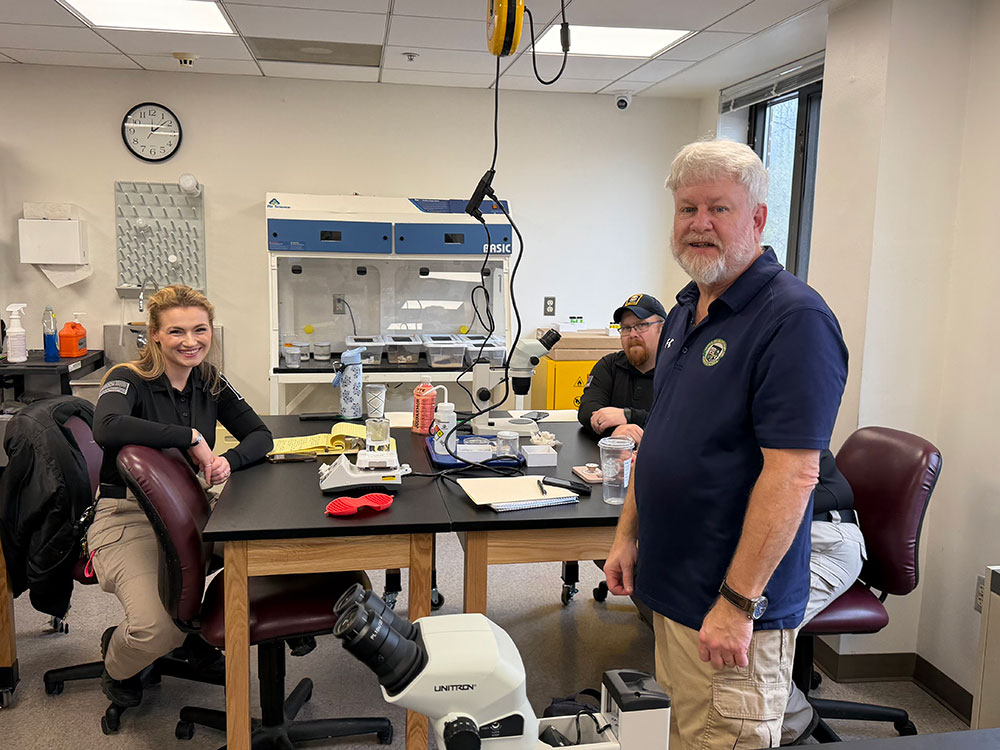
Loyola University Maryland’s Department of Forensic Science has received a grant from Show Your Soft Side to provide forensic science training and evidence collection kits to animal control agencies and shelters in Maryland. Show Your Soft Side is a 100% volunteer nonprofit that works to prevent animal cruelty.
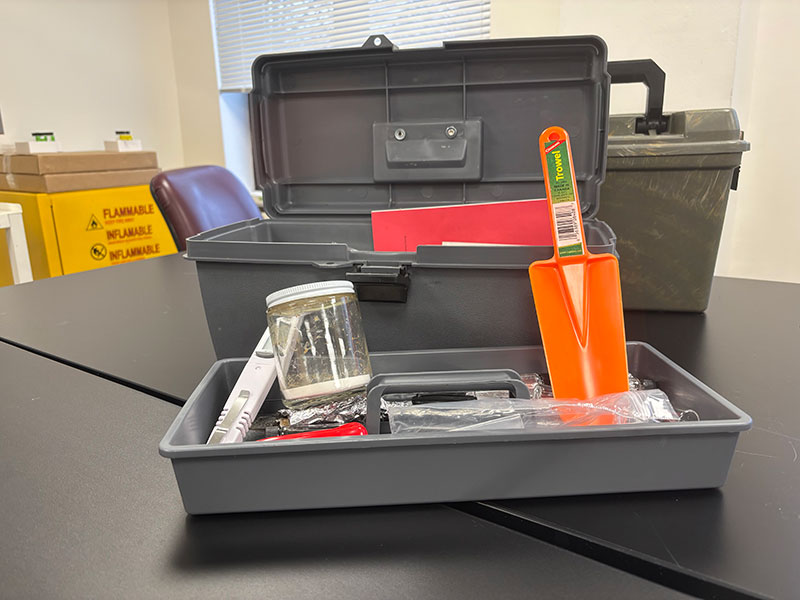 Loyola and Show Your Soft Side surveyed animal control officers to identify training
gaps and needs that could be addressed through the grant, which will provide continuous
education in veterinary forensic science. It will also provide animal control agencies
and shelters with evidence collection kits—tools they do not currently have—and train
staff in their use. The kits will assist in collecting entomological evidence that
can be critical in animal cruelty cases.
Loyola and Show Your Soft Side surveyed animal control officers to identify training
gaps and needs that could be addressed through the grant, which will provide continuous
education in veterinary forensic science. It will also provide animal control agencies
and shelters with evidence collection kits—tools they do not currently have—and train
staff in their use. The kits will assist in collecting entomological evidence that
can be critical in animal cruelty cases.
"Forensic science training is not part of animal control training ordinarily,” explained David Rivers, Ph.D., chair and professor of forensic science. “We're trying to intercede by providing that training for all the agencies in the state—and going to them, not waiting for them to come to us.”
Rivers and Rhys Williams, Ph.D., assistant professor of forensic science, will serve as co-principal investigators on the grant, collaborating with the Professional Animal Workers of Maryland (PAWS) and Baltimore City’s Animal Services.
A Loyola graduate, Caroline Griffin, ’84, is one of the co-founders of Show Your Soft Side and serves as the nonprofit’s vice president and program director.
 “Show Your Soft Side was created in Baltimore after the intentional burning death
of a dog named Phoenix—a horrific crime that went unpunished,” said Griffin. “That
injustice became the catalyst for action. We are thrilled to partner with Loyola and
Dr. Rivers and hope this partnership will fundamentally strengthen animal cruelty
investigations across Maryland and help ensure that abusers are held accountable.”
“Show Your Soft Side was created in Baltimore after the intentional burning death
of a dog named Phoenix—a horrific crime that went unpunished,” said Griffin. “That
injustice became the catalyst for action. We are thrilled to partner with Loyola and
Dr. Rivers and hope this partnership will fundamentally strengthen animal cruelty
investigations across Maryland and help ensure that abusers are held accountable.”
The grant will also create new opportunities for students to apply the skills they acquire through Loyola’s interdisciplinary forensic science program in the field, with a focus on an area of forensic science that is often overlooked.
"These students who are studying forensics grew up watching CSI and seeing how they can solve crimes. But animals are victims of crime, too,” said Griffin.
Rivers notes that, in addition to Loyola’s forensic science program already having the technical background to be able to conduct the training outlined in the grant, the University’s Jesuit, community-focused approach also lends itself to this type of work.
“We're building relationships so that these agencies know we will be a good partner to get this training from. You have to be a trusted partner before anyone is willing to even listen to you,” he said. “We all are passionate about wanting to make a difference so that this abuse stops.”
Rivers and Griffin want this to become the national model—proving that with the right training and forensic tools, animal cruelty cases can be investigated zealously, and abusers held accountable.
"I'm hoping we incentivize other organizations around the country to look at what we're doing and try to replicate it,” said Griffin.