‘High-growth opportunities’: JP Krahel, Ph.D., discusses changes in accounting
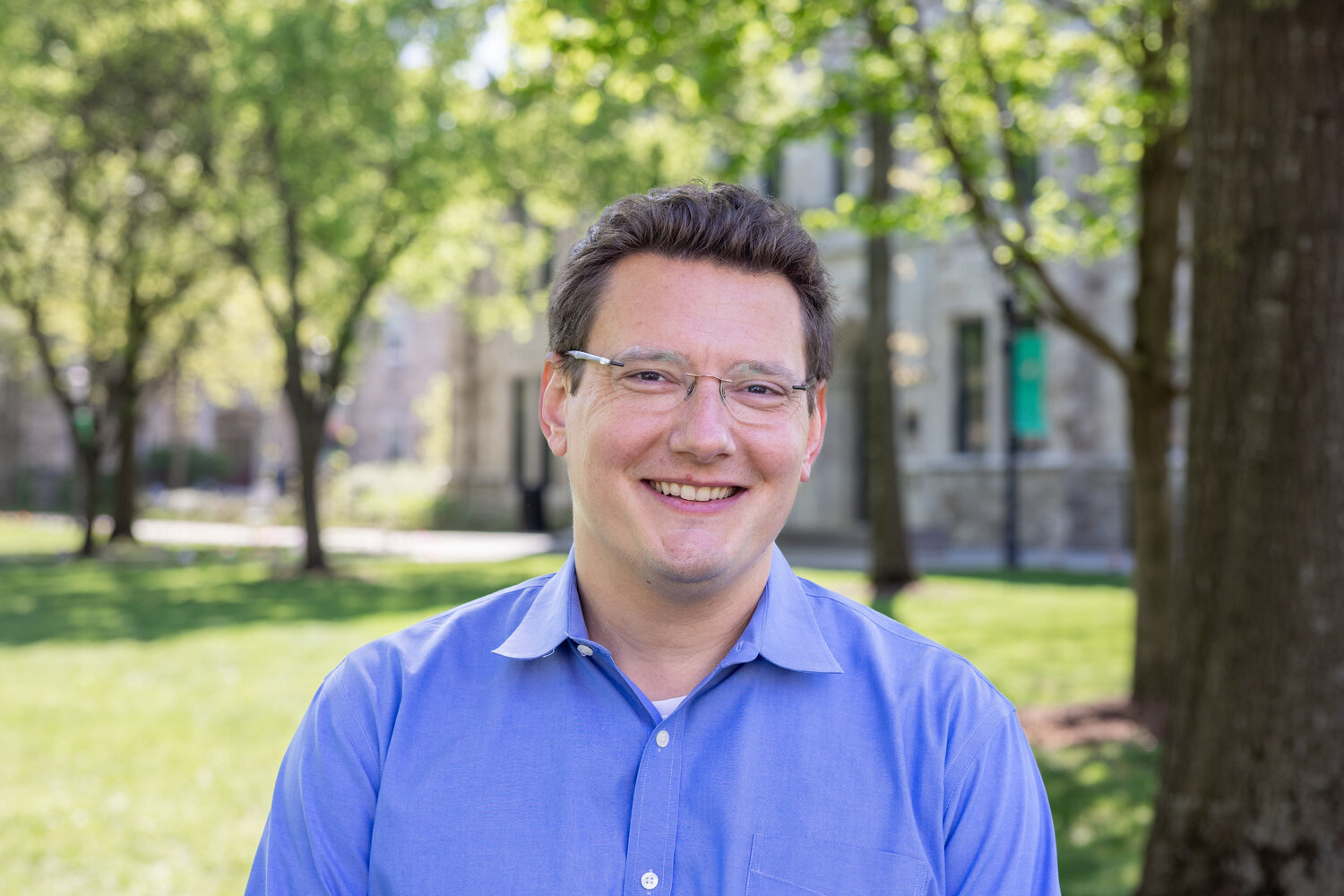
As companies adopt artificial intelligence tools and CPA licensure requirements shift, the accounting profession continues to evolve. JP Krahel, Ph.D., chair of accounting at Loyola’s Sellinger School of Business and Management, discusses what these changes mean for accounting students and how Loyola prepares them for accounting careers, including with the introduction of the Forensic Accounting Major.
How has the accounting field changed in the last few years?
Accounting professionals have always been in an arms race with technology. From pocket calculators to spreadsheets to blockchain tech, accountants are continually absorbing the effects of new developments and improving the services they can offer as a result. Artificial intelligence is, of course, a new force to be reckoned with, and it’s an opportunity for those who can think critically about how to use it. At Loyola, we teach both critical thinking skills as well as AI applications in accounting.
What do new CPA requirements mean for students?
More flexibility. Students in an increasing number of states are able to pursue CPA licensure with only 120 credits, provided they still pass the CPA Exam and rack up enough work experience. Maryland is working toward such an offering, and I expect it to be an option for incoming students. Pursuing this option does mean taking the CPA Exam while working, which increases stress and decreases pass rates, so I advise my students to approach this option with caution.
What can accounting students do to be successful in the future?
Plan ahead and take the CPA Exam seriously. I’ve seen many students rush through their education, presuming that they’ll study successfully for the exam while working full time. It doesn’t always work out. Make sure you plan out when and how you’ll be able to study and treat studying as the full-time job that it is. (I speak from experience!)
How has Loyola’s accounting program evolved to prepare students?
Our Master of Accounting 3+1 Program Pathway offers the best of both worlds. Students can now earn 150 credit hours and two degrees (a bachelor’s degree in accounting or business and a Master of Accounting) in four years, while having the luxury of taking the CPA Exam during their fourth year of education, surrounded by credentialed faculty who are here to help them.
What distinguishes Loyola’s accounting program from others?
The same thing that distinguishes all of Loyola’s programs from their peers: cura personalis. Our faculty know they’re here to help students succeed above all else, and that’s what we do every day. I have weekly meetings with some students to review CPA material. We curate trips to firms, host visitors and guest lecturers, facilitate real-world case studies, and so much more, all in an effort to make sure our students leave Loyola prepared for a fulfilling professional career.
What does Loyola’s new Forensic Accounting Major mean for students?
Our Forensic Accounting Major offers students another path toward making the world a better place. It means students will be able to combine technical knowledge in accounting with skills in related fields like criminal justice and financial valuation. It will help prepare students for the Certified Fraud Examiner exam and a host of high-growth opportunities.
What advice would you give to students considering accounting?
It’s not about math, so don’t be afraid! It’s a language, and one that requires skill in communication, critical thinking, and human understanding. The possibilities that come with an accounting degree are boundless, both professionally and geographically. Accounting professionals are valued members of society, and it’s worth the effort to pursue the major.