How Kharod France is Preparing Reflective and Compassionate School Counselors
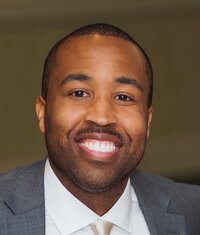 Faculty Spotlight: Kharod France, Ph.D.
Dr. Kharod France came to Loyola’s School of Education because he wanted to be part of something more than a graduate training program. As a clinician, instructor, and supervisor, he was looking for an institution where academic rigor and human development went hand in hand.
“I wanted to be part of a program that values both the science and the humanity of counseling,” Dr. France said.
“Loyola felt like a natural fit—an institution where rigorous academic training is paired with heart, mission, and an unwavering focus on developing ethical and reflective practitioners.”
Now in his seventh year at Loyola, Dr. France teaches and supervises students in the School Counseling program, helping them build the clinical skills and self-awareness that the profession demands.
In the Classroom
Dr. France describes his teaching philosophy as grounded in authenticity, connection, and the belief that students grow best when they feel both supported and challenged. For him, the classroom and supervision space are places where students explore who they are becoming as counselors, not just what they are learning to do.
“I rely heavily on experiential learning because counseling is something you have to feel and practice, not just read about,” he said.
“Whether we’re doing role plays, discussing real-world cases, or reflecting on personal experiences, I want students to walk away with confidence in their skills and a deeper trust in their own voice.”
That approach extends to how he meets students individually. Some students need more structuring and modeling, while others are ready for greater independence and self-reflection. Dr. France adjusts to each student’s development level, with the goal of giving each person what they need to take the next step in their growth.
He also brings his full self into the room. When students see him as someone who has wrestled with their own doubt and growth, they feel freer to take risks and be honest about their own development.
“Ultimately, teaching for me is relational,” Dr. France said.
“It’s about creating a space where students feel seen, valued, and empowered to become counselors who lead with empathy, integrity, and a strong sense of purpose.”
That support does not stop when class ends. Dr. France remains accessible to students through supervision, mentoring conversations, and career guidance as they move through the challenges of graduate education.
Past his work in the classroom, Dr. France also serves as faculty advisor for Chi Sigma Iota, Loyola’s counseling honor society, where he helps connect current students with program alumni through workshops, forums, and other professional development opportunities.
“I take pride in building relationships that extend beyond one semester and look forward to supporting students throughout their professional journey,” he said.
Research
Dr. France’s research focuses on clinical supervision and counselor self-efficacy, two areas that sit at the center of how emerging counselors develop confidence and competence in the field.
At the Association for Counselor Education & Supervision (ACES) conference, he presented research titled Empathic Confrontation as a Tool to Foster Resilience and Self-Regulation in Beginning Counselors: A Supervisory Approach. The work explores how supervisors can help developing counselors face honest feedback about their growth while still feeling supported and capable.
“I explored how empathic confrontation—when it is delivered with warmth, clarity, and cultural awareness—can help beginning counselors become more self-aware, regulate their emotions during challenging moments, and ultimately build the resilience they need in real clinical settings,” Dr. France said.
That research reflects a conviction that runs through all of Dr. France’s work with students and supervisees.
“Whether someone is sitting in the client chair or the supervisee chair, I believe growth happens at the intersection of truth and connection—where we can name what’s hard, understand it, and move forward with support.”
For those considering the School Counseling program at Loyola, Dr. France offers the following advice: “Come prepared to reflect deeply, engage honestly, and embrace both the discomfort and the fulfillment that accompany academic and personal self-discovery.”
“You will receive strong training—but more importantly, you will join a community of faculty and peers who are invested in your formation as a compassionate, competent, and socially conscious professional.”
Interested in becoming a school counselor? Explore Loyola’s School Counseling program and learn how you can take the next step in your career.